A board that only governs is only doing half the job for scale-focused founders
Founders are being asked to scale themselves. The boards around them need to lean in as well, to give them every chance to succeed, on a global scale.
*This article references direct quotes from the session “Boards That Scale You” from the 2026 Merton Lawyers Startup Board Conference, held at the Sydney Opera House on September 7th 2026.
A great board shouldn’t simply govern a company. It should be there to really help it grow.
In Part 1 of this series, I wrote about ‘The CEO You Have To Become’ and whether the people running a company can scale with it. The same question applies to the board.
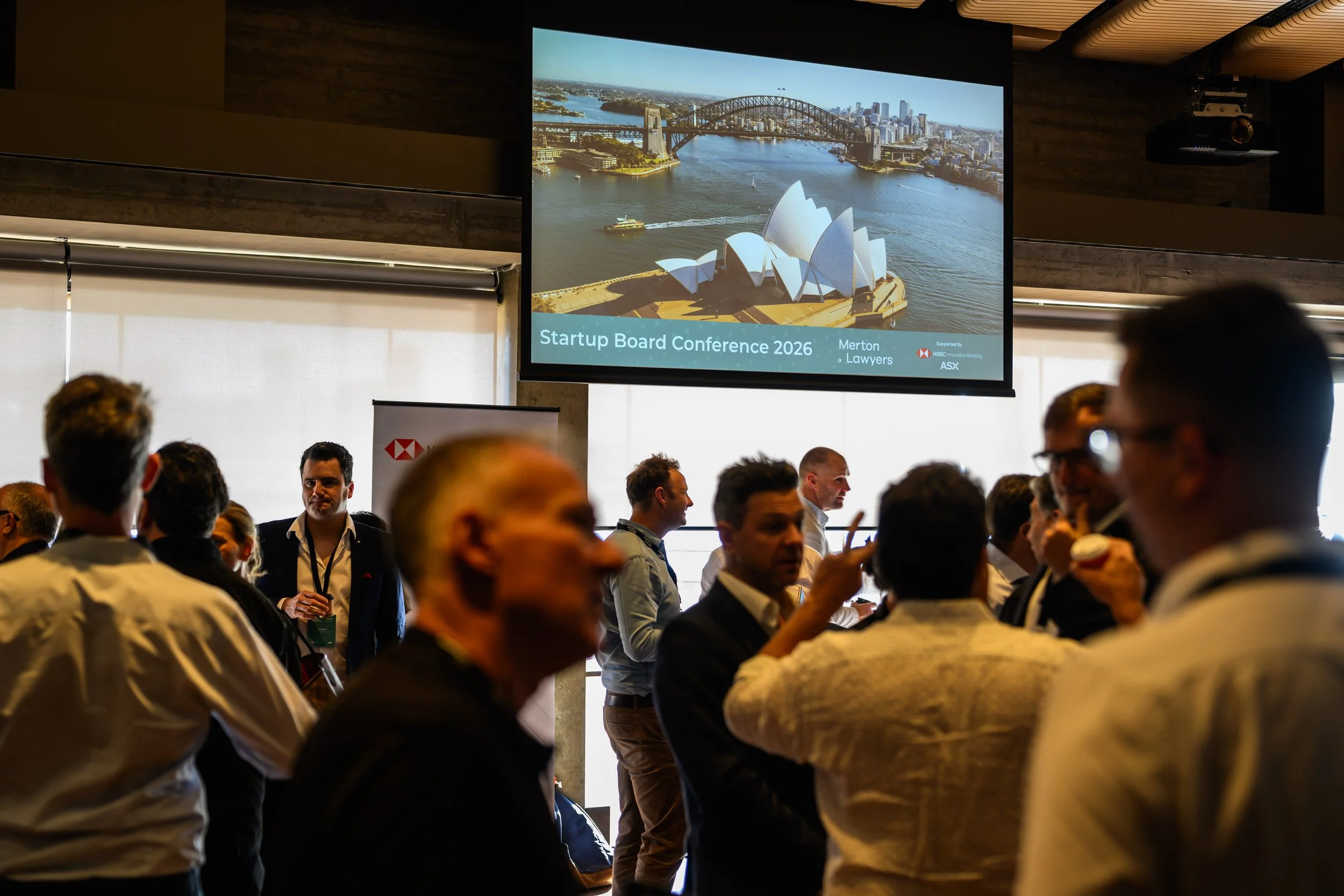
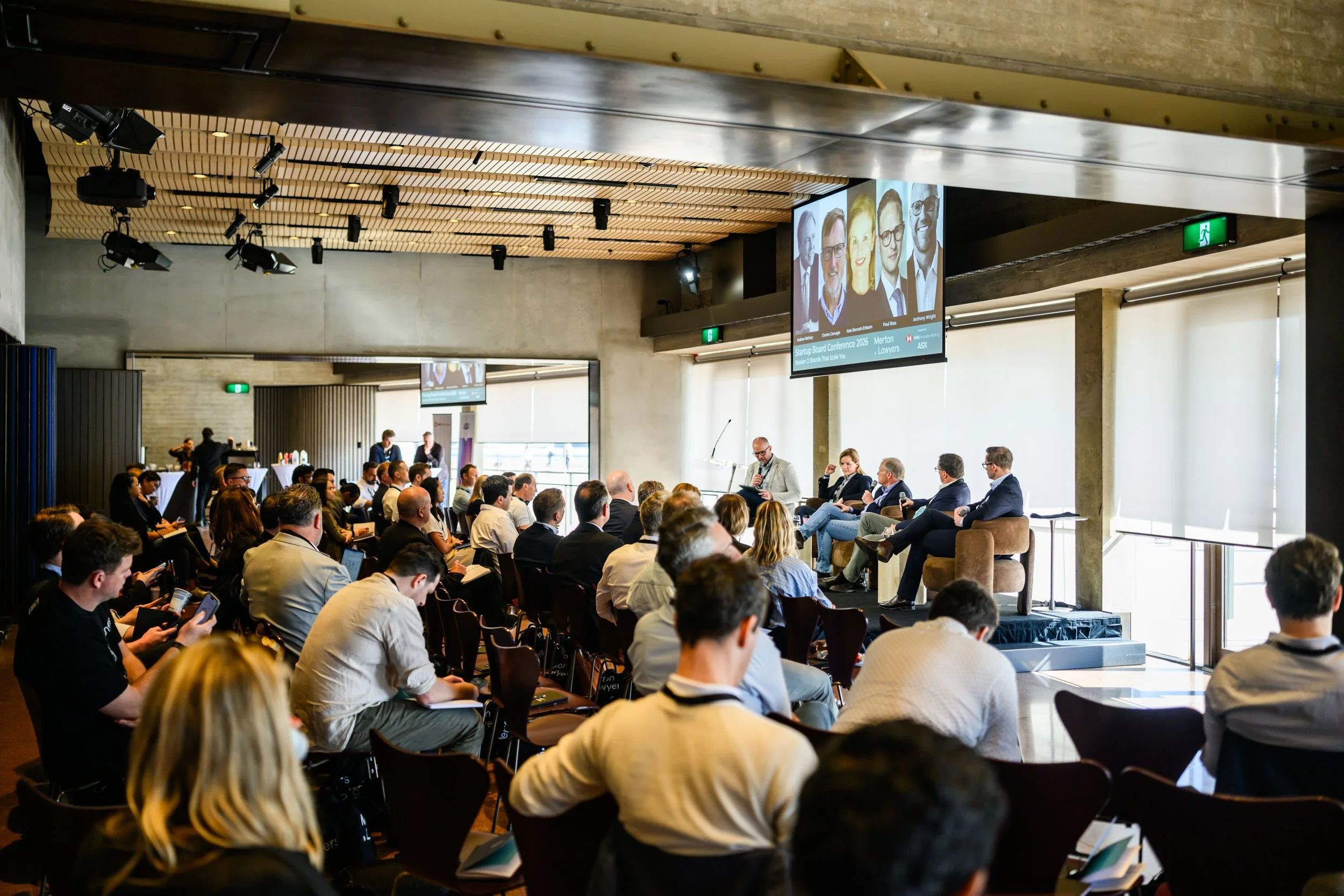
That question was the thread running through the “Boards That Scale You” session at the 2026 Startup Board Conference, held at the Sydney Opera House and moderated by Anthony Wright, CEO & Cofounder of Zai Node.
With my hosting duties done after opening the day’s programming, I instead got to immerse myself fully in this conversation, and my main enjoyment came from how practical it got.
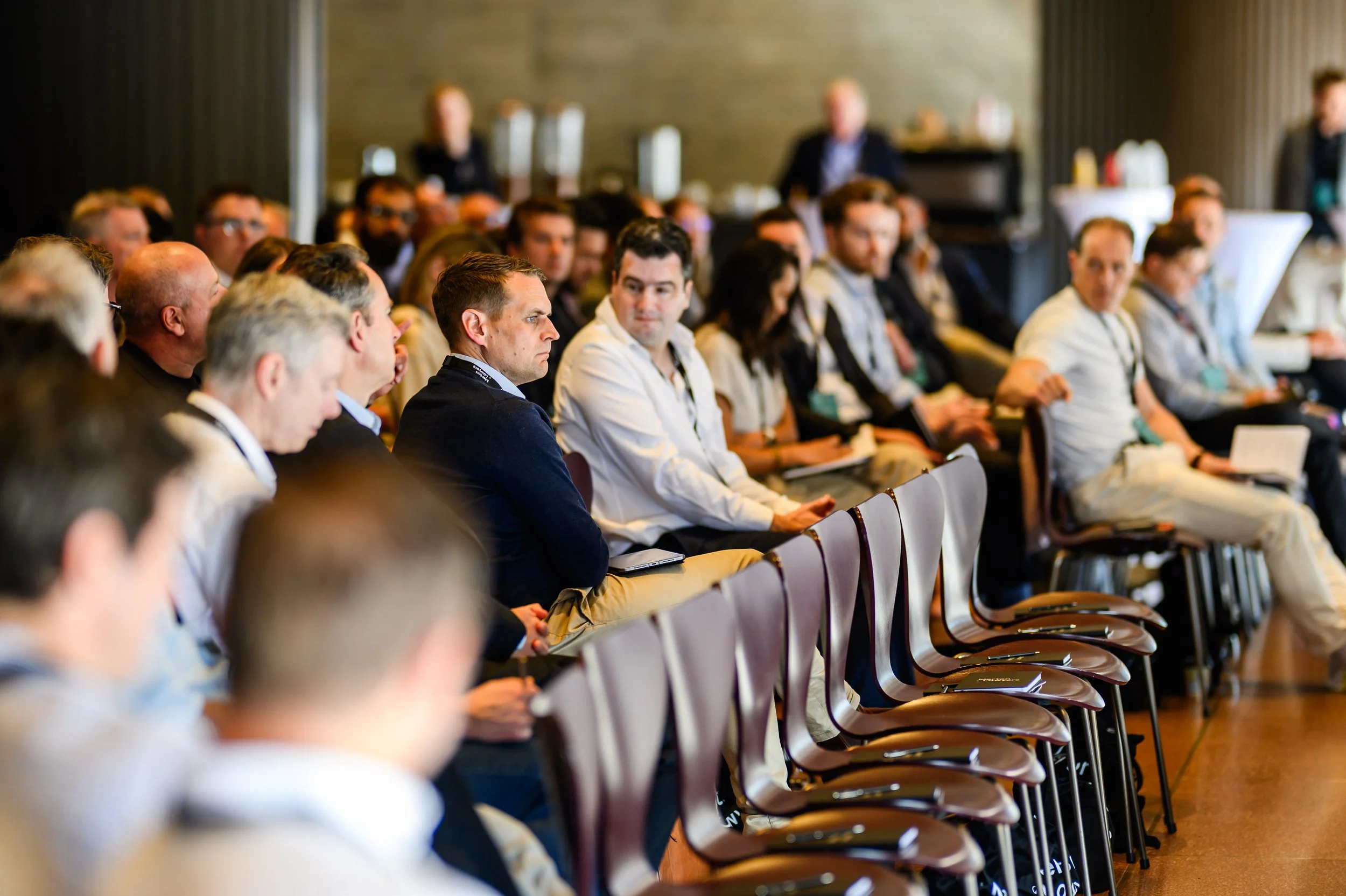
Rather than treating governance as a box to tick, the discussion kept coming back to the board as something that should help a company grow. In that 45 minutes (we had around 120 people attending on the day) we all got plenty of highly useful tips to take into our next board meetings.
A note alongside my thoughts below: as with all our sessions, the discussion ran under Chatham House rules. All quotes provided are with the speakers’ permission to share, so that they may offer some guidance and reflection for scale-focused founders, and the investors who sit on their boards.
Governance is the floor, not the ceiling
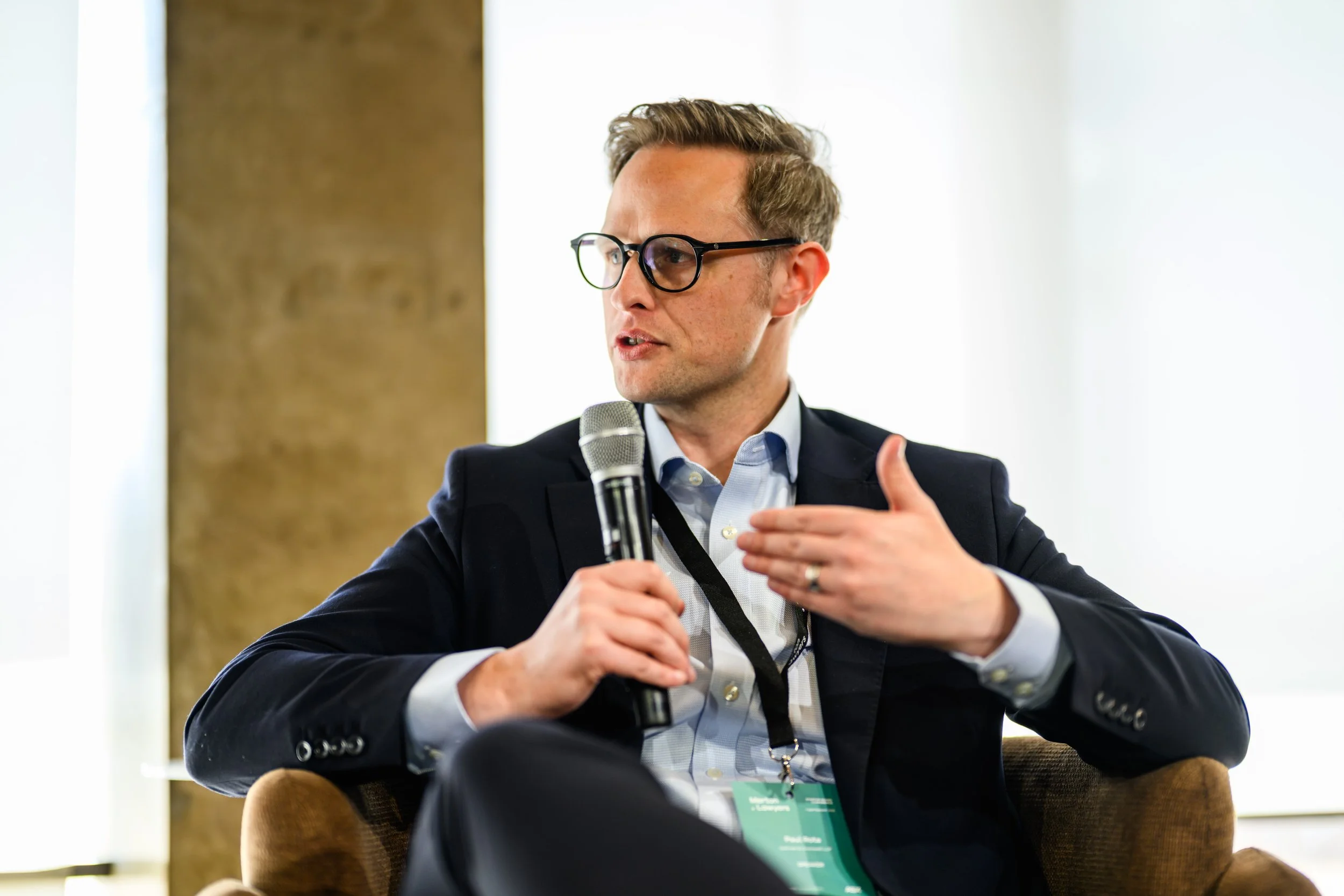
PAUL ROTA (Attorney, Sullivan & Cromwell LLP, Melbourne)
There is never a licence to ignore the basics. Australia still of course has gaps in understanding of directors' duties and insolvency, and boards do certainly need to ensure that gets done right. But only the compliance? That is the absolute minimum, from our perspective.
Paul Rota, Attorney at Sullivan & Cromwell LLP, put it plainly: "Don't treat [a board meeting] as a governance formality. Its primary purpose is to help your company grow and get to where it needs to be."
When a board meeting becomes a box-ticking exercise, the founder stops bringing real problems into the room. The board's job is to look beyond the papers in front of them, and lean into the decisions that matter.
Build the board for the stage you're at
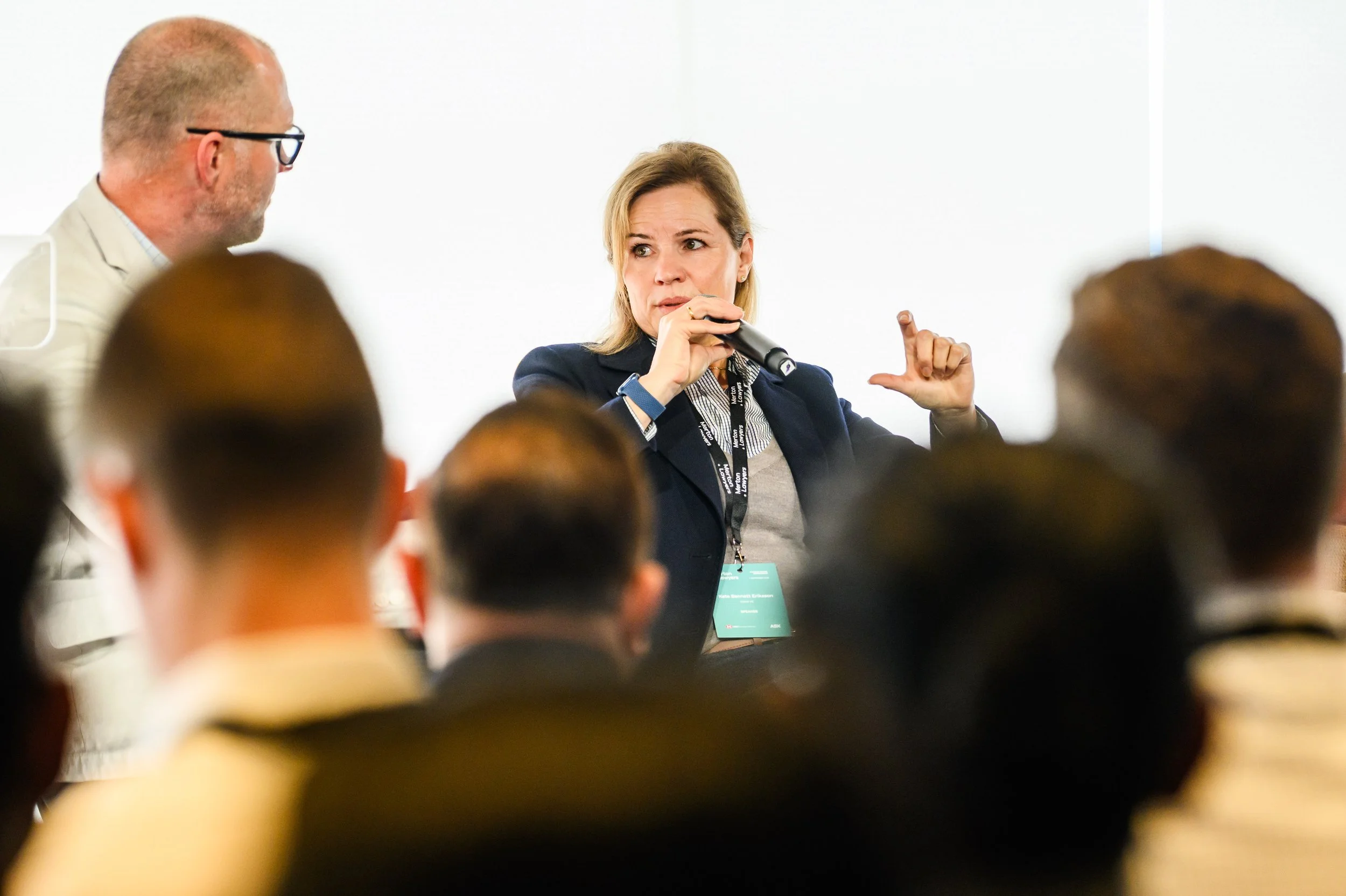
KATE ERIKSSON (Partner, CoAct Capital, Melbourne)
A seed-stage board and a Series B board shouldn't look the same. Kate Eriksson, Partner at CoAct Capital, noted that "Series A marks the move to the next level of maturity. You see it in a board that adds independent and investor perspective, in company documents that now have to govern a larger business, and in a team focused on scale rather than survival."
That change should be deliberate, not reactive. As Charles Carnegie, Managing Director of 21networks, pointed out, a formal board is a significant commitment of time and money, and doing it properly consumes a founder's time.
Before that step, he argued, every founder should be building something less formal: "Everybody who's got a company should be building an informal board of advisors, because it is lonely and it takes a lot of skills to run your business."
Pick directors for the work, not the CV
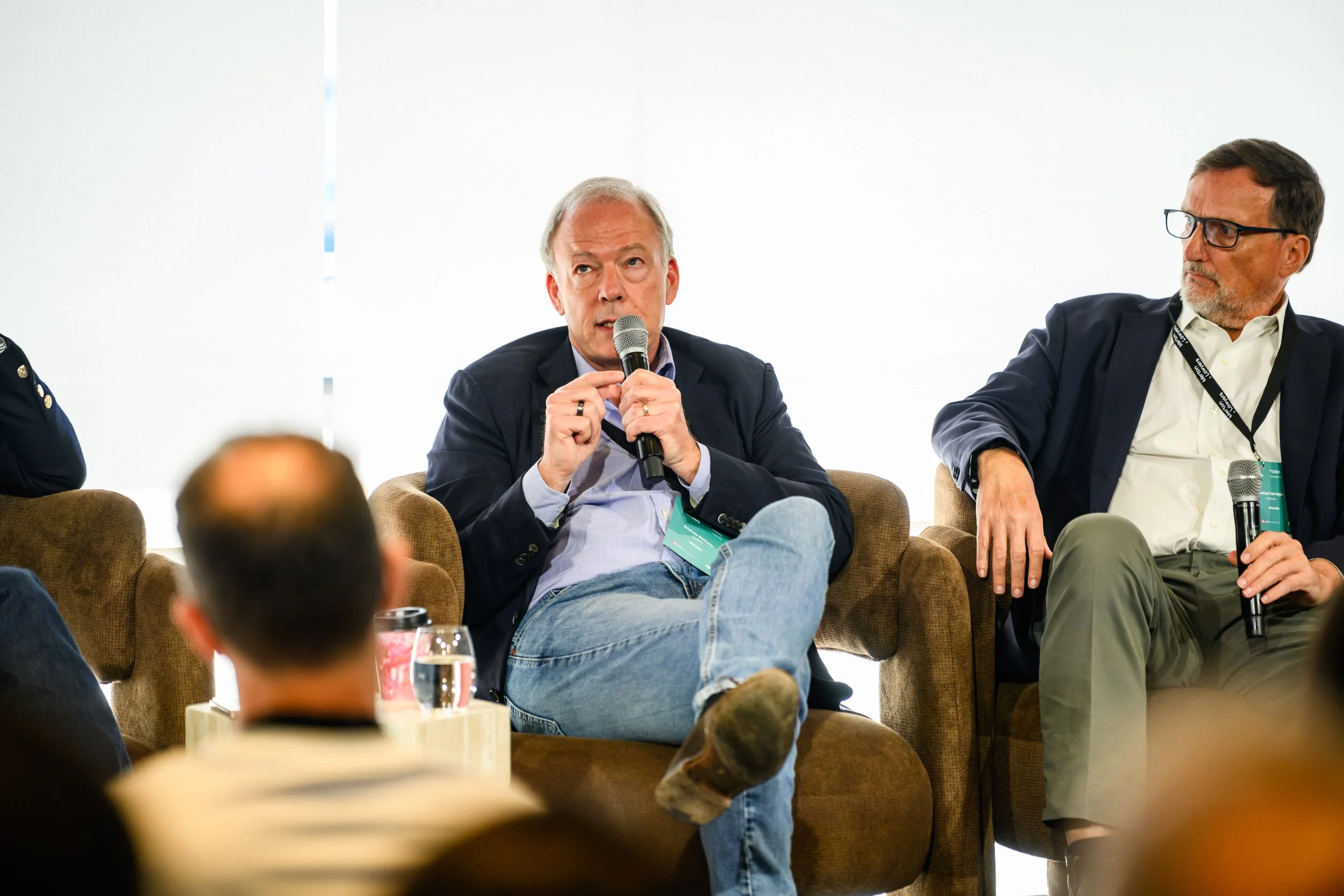
ANDREW ROTHERY (Director, Koda Capital, Sydney)
The instinct is to fill a board with the most impressive names you can find. Andrew Rothery, Director at Koda Capital (and heavily involved with Blackbird over the years) offered a useful anecdote: "With a few exceptions, I have seen an inverse correlation between how stellar a director's CV is and how willing they are to roll up their sleeves and do work."
A board built for scale is shaped around what the company needs next - sector knowledge, capital markets experience, operational scar tissue. Every director should know exactly where they're expected to contribute, and the founder should know who to call when a new question lands.
Know where the line is
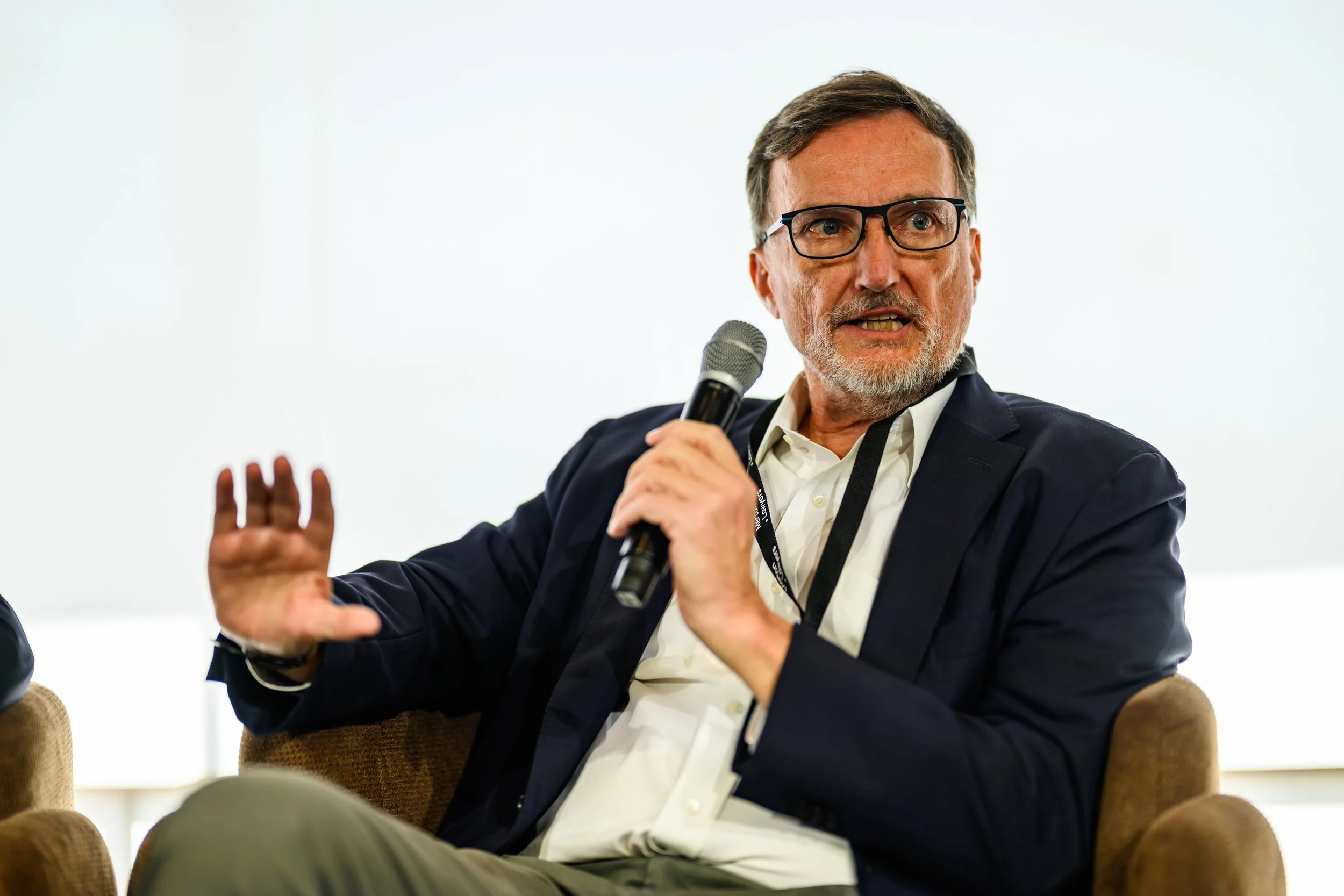
CHARLES CARNEGIE (Managing Director, 21networks, Sydney)
The tension that came up most was the fine line between being available and meddling.
Founders want directors who pick up the phone.
They don't want directors running the business from the boardroom.
Andrew captured it in one line: "Good non-executive directors can see the invisible line between governing and managing."
The relationship that holds that line is the one between the chair and the CEO. When it works, the CEO has someone to think out loud with, and the board has confidence it's hearing the full story. When it doesn't, everything else in the boardroom gets harder.
No surprises, and real disagreement
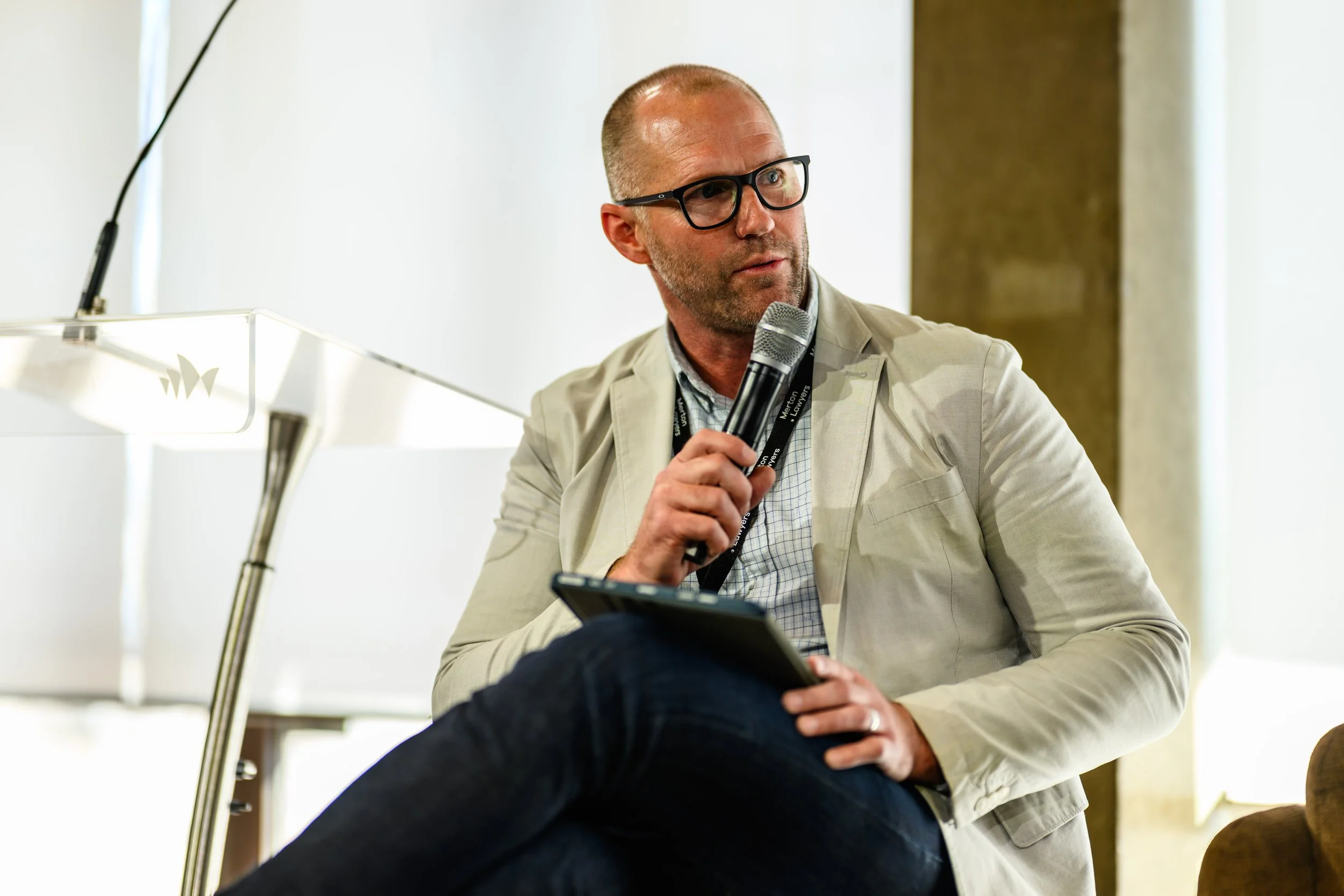
ANTHONY WRIGHT (CEO & Cofounder, Zai Node, Melbourne)
Anthony Wright was blunt: "There's nothing worse than being in a board meeting when there are surprises from either side."
‘No surprises’ is certainly not the same as ‘no disagreement.’ Boards that scale companies disagree openly and often. But disagreement is a skill, and it has to be practised before the stakes are high. If a board only learns to disagree in a crisis, it has left it well too late.
Sometimes the honest answer is to walk away. A director who can no longer add value, or a founder and investor who fundamentally see the company differently, are better served by a clean exit than by years of polite friction.
What a board built for scale looks like
Built for the stage. The structure changes as the capital, risk and stakes change.
Chosen for contribution. Directors are there to work, not to decorate the website.
Clear on roles. Responsibilities and expertise are mapped, so the founder knows who to lean on at times of need.
Governs, but doesn't manage. “Here if you need me” when needed, out of the way when not, ready for the next scheduled board meeting.
No surprises. Raise bad news early, and at a time that suits a busy founder. If it would land as an ambush in the boardroom, it should have been a phone call first.
Looks beyond the board papers. Customers and competitors don't always show up in the pack.
IN SUMMARY: Building boards that grow with you, and our next topic: ‘AI in the Boardroom.’
Much of what we discussed on the day draws on our years of work alongside leading US law firms through Project Frontier, and the investor research behind Project Odyssey that led to the Startup Board Conference. The lesson from both is consistent: the companies that scale well treat their board as part of the growth engine, not a compliance function.
Last time, I said it all comes down to collaboration, which holds true here too. Many founders can do the hard work to scale themselves, but they can't do it all alone.
The boards that scale you are the ones built to grow with you - and willing to change when the company mission does too, hopefully up and to the right.
“BOARDS THAT SCALE YOU”
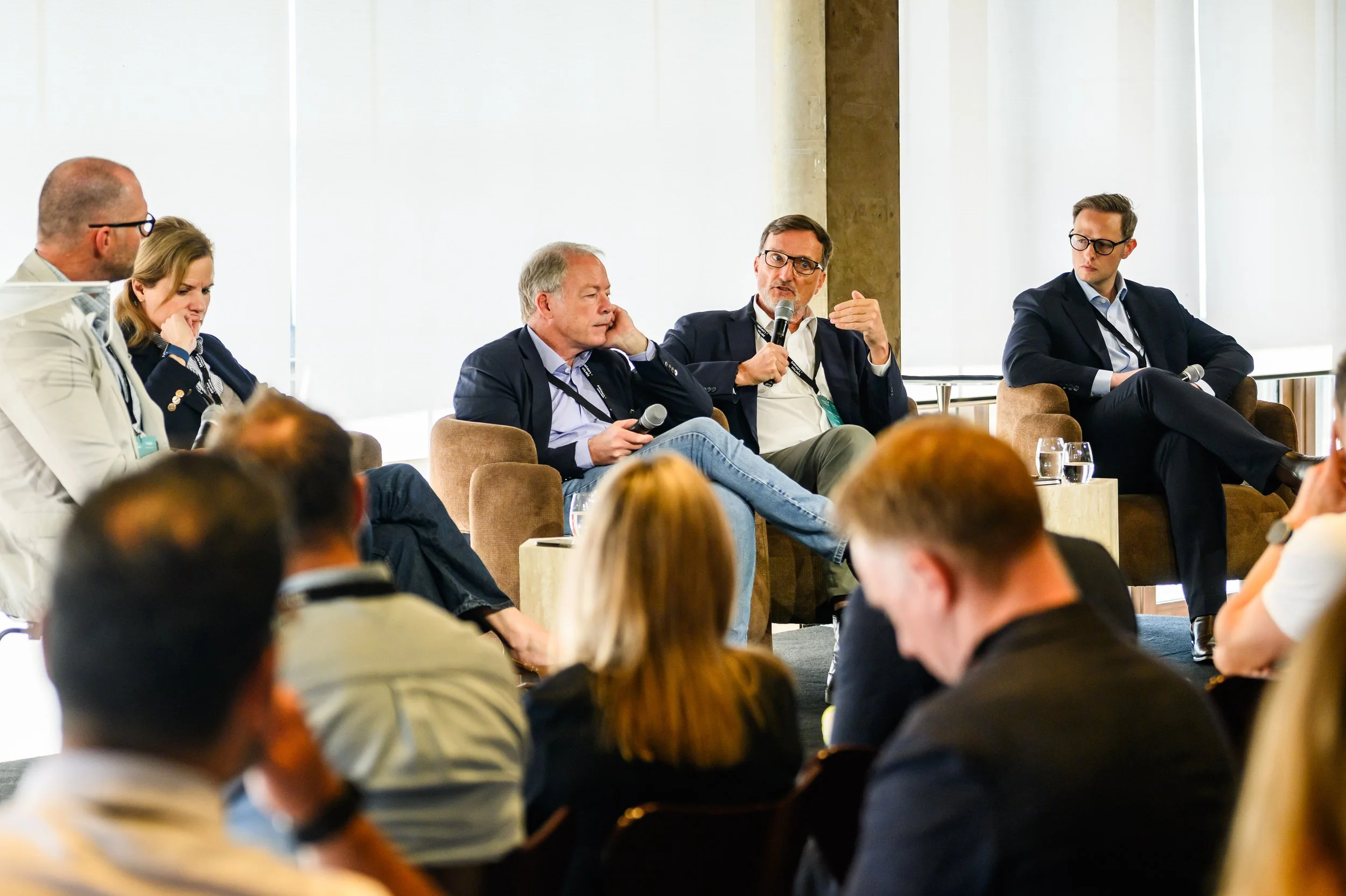
Featured: ANDREW ROTHERY (Director, Koda Capital, Sydney), CHARLES CARNEGIE (Managing Director, 21networks, Sydney), KATE ERIKSSON (Partner, CoAct Capital, Melbourne), PAUL ROTA (Attorney, Sullivan & Cromwell LLP, Melbourne)
Moderator: ANTHONY WRIGHT (CEO & Cofounder, Zai Node, Melbourne)
*This article “Boards That Scale You” is Part 2 of an 8-part series of insights from the sessions at the 2026 Merton Lawyers Startup Board Conference, and further insights from our work building extensive venture legal networks in Silicon Valley, New York and Los Angeles. Part 3 will be released next: “AI in the Boardroom.”
**The next Startup Board Conference at the Sydney Opera House will be announced in February 2027.
Thank you once again,
Anthony Curtin, Cofounder Merton Lawyers.
Follow me on LinkedIn HERE