Scaling the company can be the easy part. Scaling the founder is the real test.
Australia's next generation of founders have eyes on raising big in a buoyant market. The boards behind them have a narrow window to prepare them for the moments that matter.
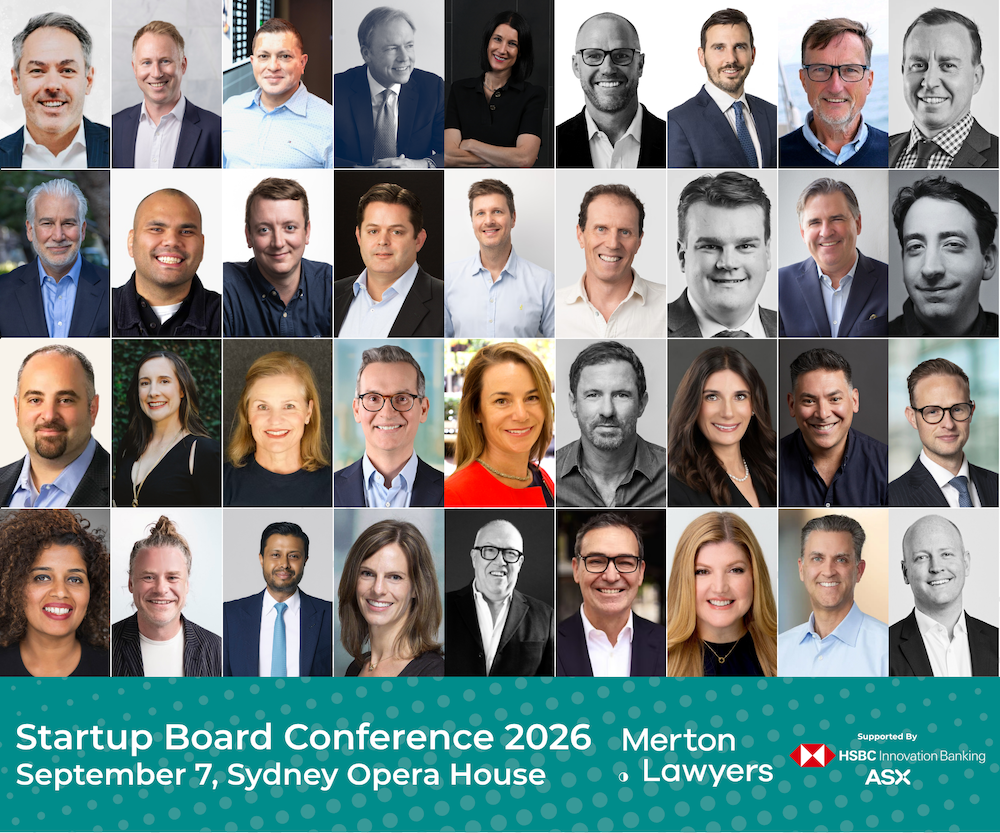
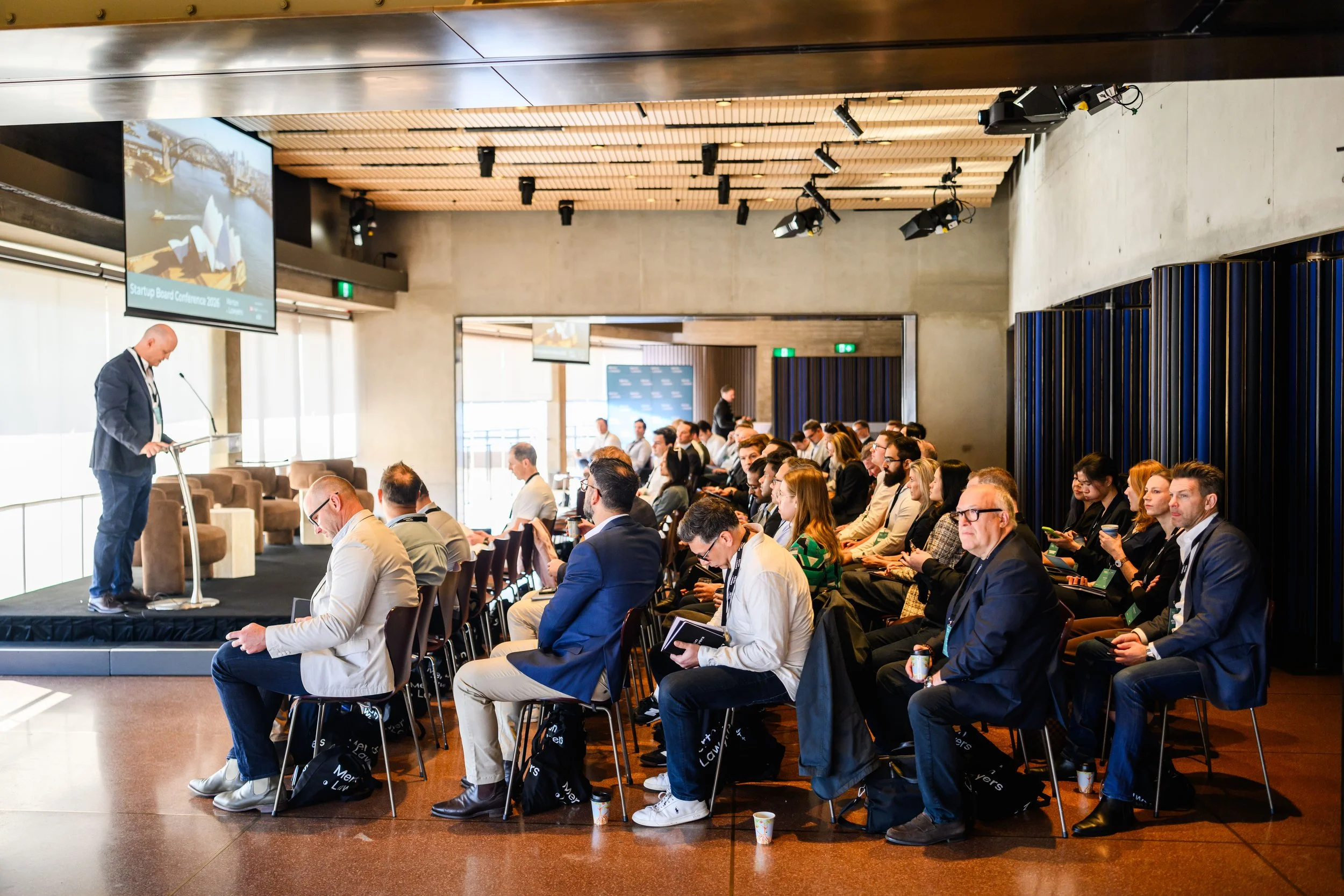
*This article references direct quotes from the session “The CEO You Have to Become” from the 2026 Merton Lawyers Startup Board Conference, held at the Sydney Opera House on September 7th 2026.
Investors spend a lot of time asking whether a company can scale.
They spend far less time asking whether the people running it can scale with it.
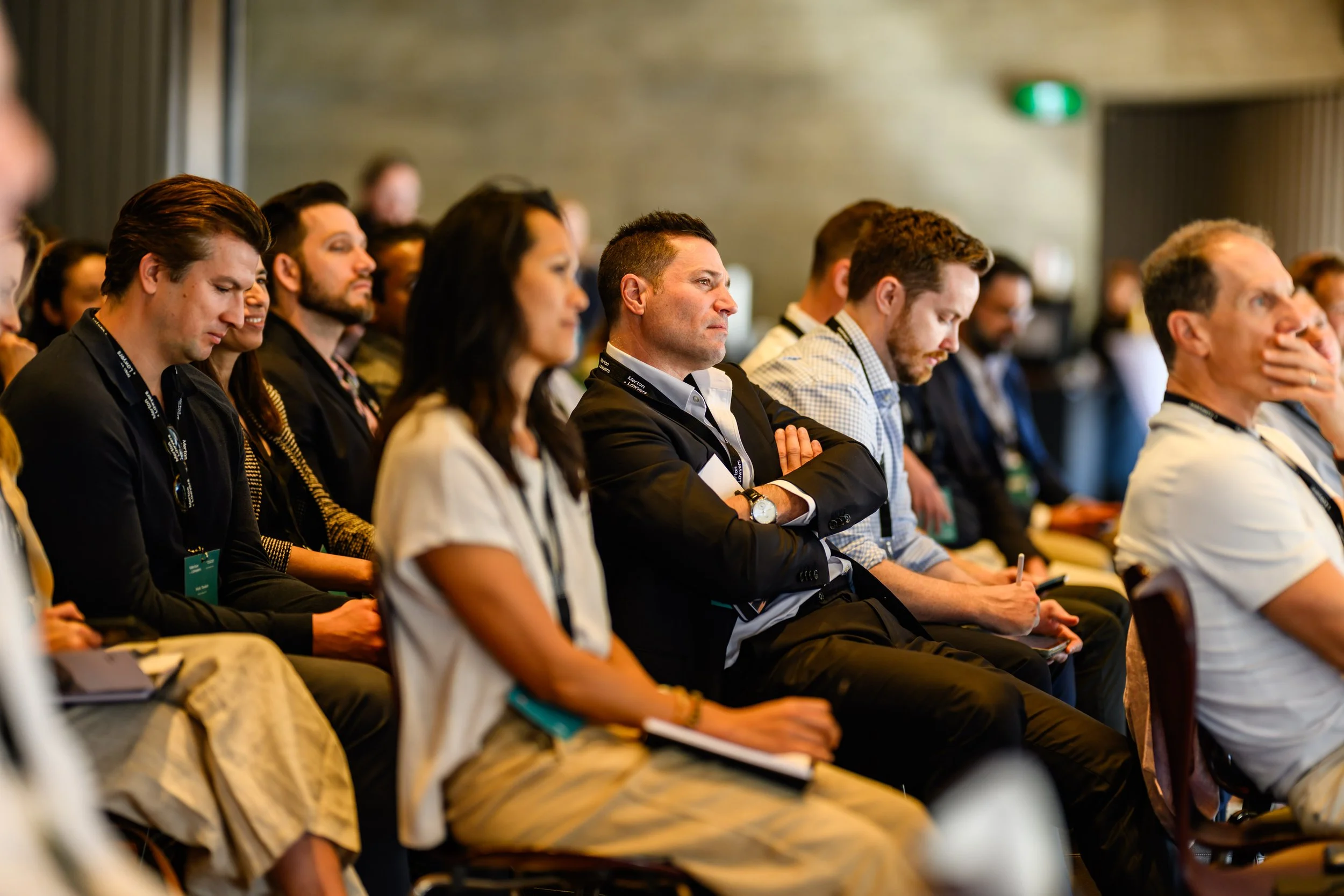
That gap was a persistent discussion point through almost every conversation at our 2026 Startup Board Conference, held at the Sydney Opera House. Around 50 investors attended, each bringing a founder from one of their portfolio companies, for 11 sessions focused on board governance and excellence in scaling Australian companies and their founders.
Having spent a lot of time in the USA in recent years - directly collaborating with many of the top-tier US law firms that form the legal backbone of Silicon Valley's venture ecosystem - I’m watching that same gap-focused question play out in real time.
A note alongside my thoughts below: We think it's important to share some of the main points of discussion from this year's conference, whilst noting of course that we ran our sessions under Chatham House rules. All quotes provided are with the speakers’ permission to share, so that it may help provide some guidance and reflection for scale-focused founders, and their investors.
A new generation of founders & an untested market
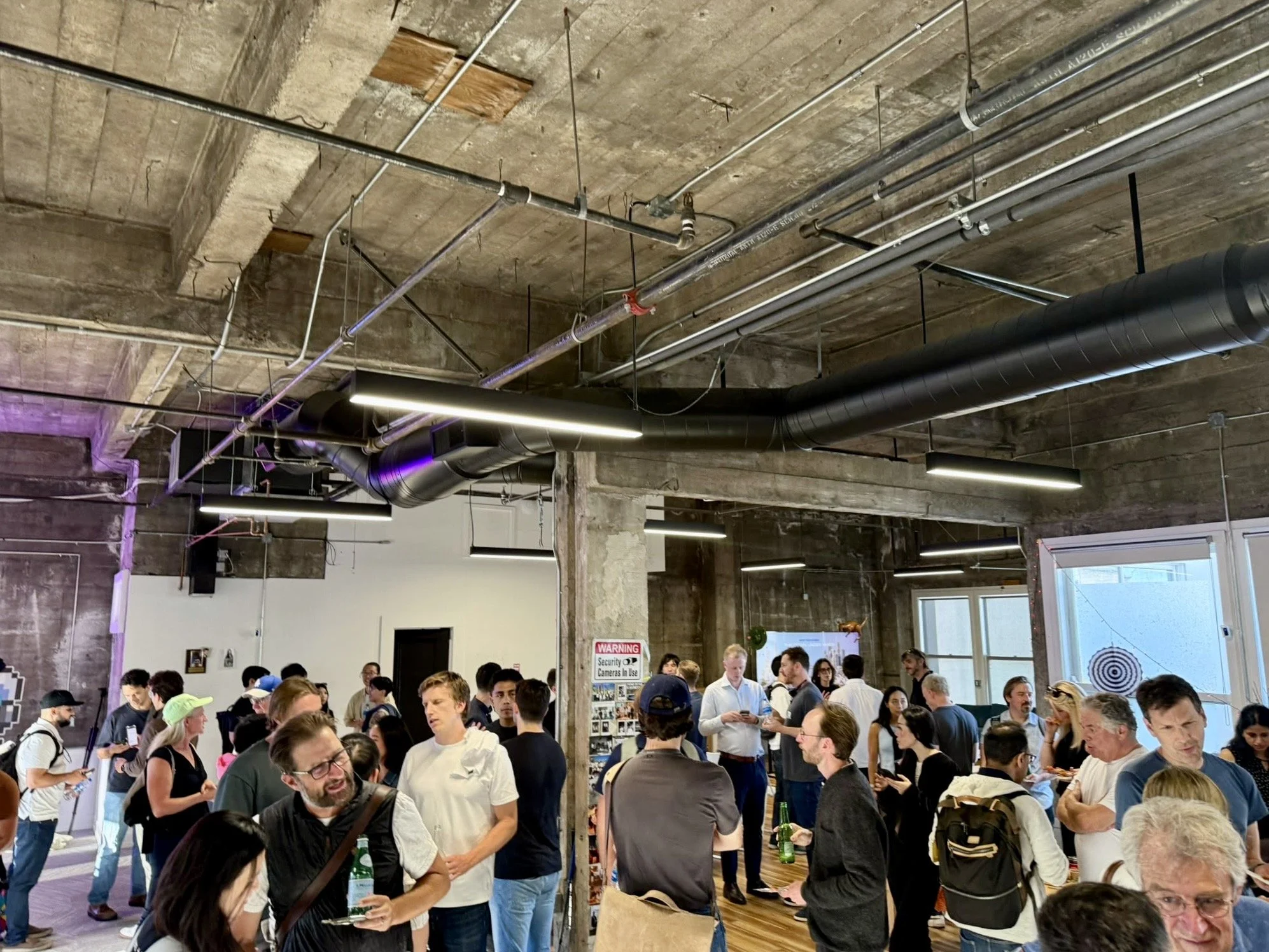
One of many events at SF Tech Week recently (lots of Aussie founders in this particular room)
At SF Tech Week recently, I spent time with a cohort of Australian founders who are Gen Z, roughly 18 to 25, and AI-native. They build knowledge bases fast, articulate their strategy clearly and - crucially - are actually applying it.
This is then producing material raises from sophisticated US investor groups.
But, they're doing it in a hot market. Valuations are up, and as we know too well, an AI label makes capital easier to raise than it otherwise would be. And, we’ve (somewhat) been here before, in a capital raise context. In 2021, COVID-era liquidity made almost everything look fundable, with inflated valuations to boot.
Many of this new generation of founders - with respect of course - have never operated through anything like the GFC. So the real test won’t be how they raise in a boom market, but instead, how they lead in a downturn.
That puts responsibility on boards. The question is not focused on whether to back young founders, as sometimes the experienced operator is the right bet, and sometimes it's the 22-year-old who can build the most conviction in their capacity to go to market and scale, globally.
The right question is how do their boards operate now, in the instance where conditions turn, to equip them with the ability to handle, persevere, and lead, during those times too.
The board meeting is not a pitch
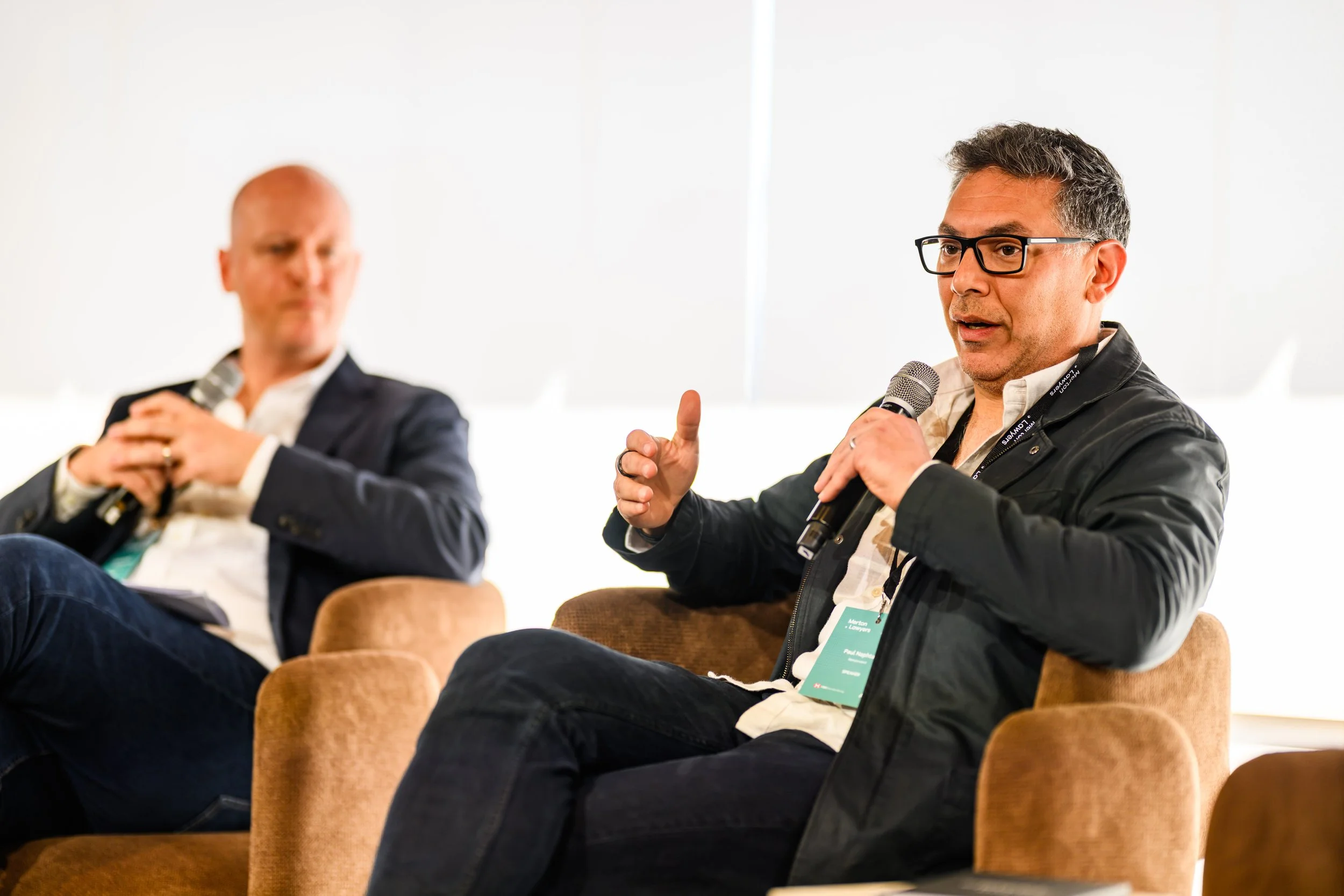
PAUL NAPHTALI (Cofounder & Managing Partner, Rampersand, Melbourne)
Back to the Sydney Opera House for the Startup Board Conference in Sep ‘26, one discussion zeroed in on a common failure mode, and it's a structural one.
As Paul Naphtali of Rampersand put it: "The temptation is for the founder to treat the investor director as their future fundraiser. Every board meeting and every interaction becomes a pitch - and that's a very poor use of that environment."
When every board interaction is a performance, nothing gets stress-tested. The founder hides the hard problems. The board sees a polished version of the business until it's too late.
The better model looks very different. We recently sat in on a run of board meetings for a company that had signed strong enterprise customers and closed a large Series A. But the standout moment wasn't a resolution that played out.
It was a VC director stepping in with genuine empathy and a coaching mindset, working through informal "what if" scenarios with the founder and board to pressure-test their thinking ahead of any downturn.
No crisis was on the table, yet. That is but one prime example I can instantly recall from over the years of a founder being set up for future success, at the board level.
Dialling in from Los Angeles on the day, Daniel G. Weiss of Angeleno Group articulated leaning into those instincts, as part of a high-functioning board in practice: "Try to create a culture where you don't just function inside the piece of paper on the deck in the board meeting, but actually build a relationship where there's an ongoing conversation."
Resilience is the real diligence
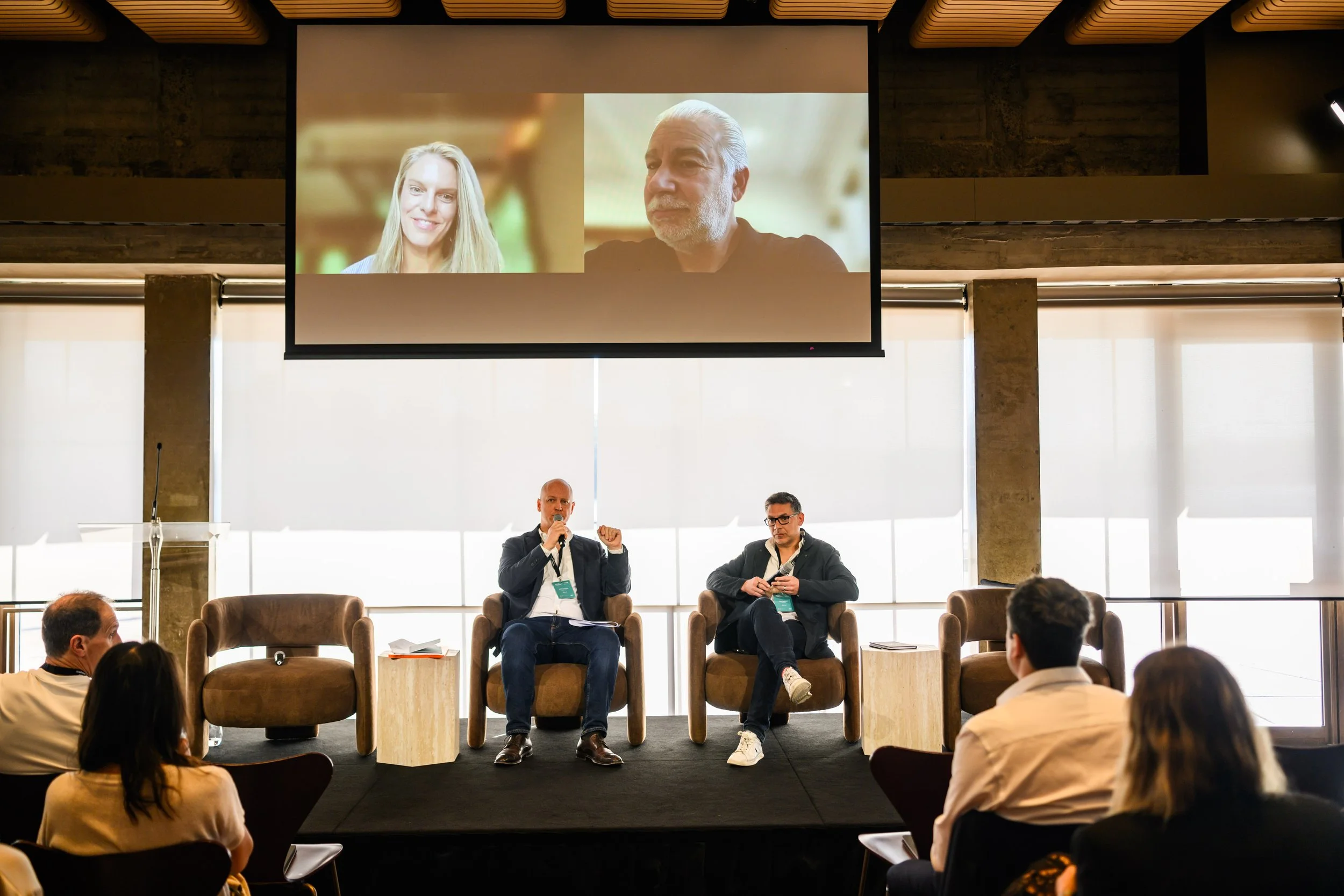
(L-R) SHANNON MARSHALL (Executive Director & Senior Client Advisor, J.P. Morgan Private Bank, and Board Member, American Australian Association, New York)
ANTHONY CURTIN (Cofounder, Merton Lawyers, Melbourne)
DANIEL G. WEISS (Cofounder & Managing Partner, Angeleno Group, Los Angeles)
PAUL NAPHTALI (Cofounder & Managing Partner, Rampersand, Melbourne)
I was so pleased to have Shannon Marshall of J.P. Morgan Private Bank - and Board member of the American Australian Association - also dialling in for the session to frame the key question every board should be asking of its CEO: "How does the CEO lead not just in good times but through the hard ones, asking clearly for what they need, advocating for it, and still taking feedback from the board?"
Resilience matters regardless of age. Experience of course helps, but it's not a guarantee.
Australia has a broader governance gap around directors' duties and insolvency, and some CEOs - seasoned ones included - can talk a good game without the substance behind it. I wouldn’t be the only one to observe an experienced CEO at a technology company fail to manage the business financially, spending as though investor capital were a bottomless well.
And I've also seen the alternative. Boards replacing an underperforming founder with an experienced international CEO, only to realise in hindsight they should have kept the founder and supported them properly. Swapping the person isn't always the answer, and the board has a responsibility in this, hand-in-hand with the founder.
Regenerate, don't just replace
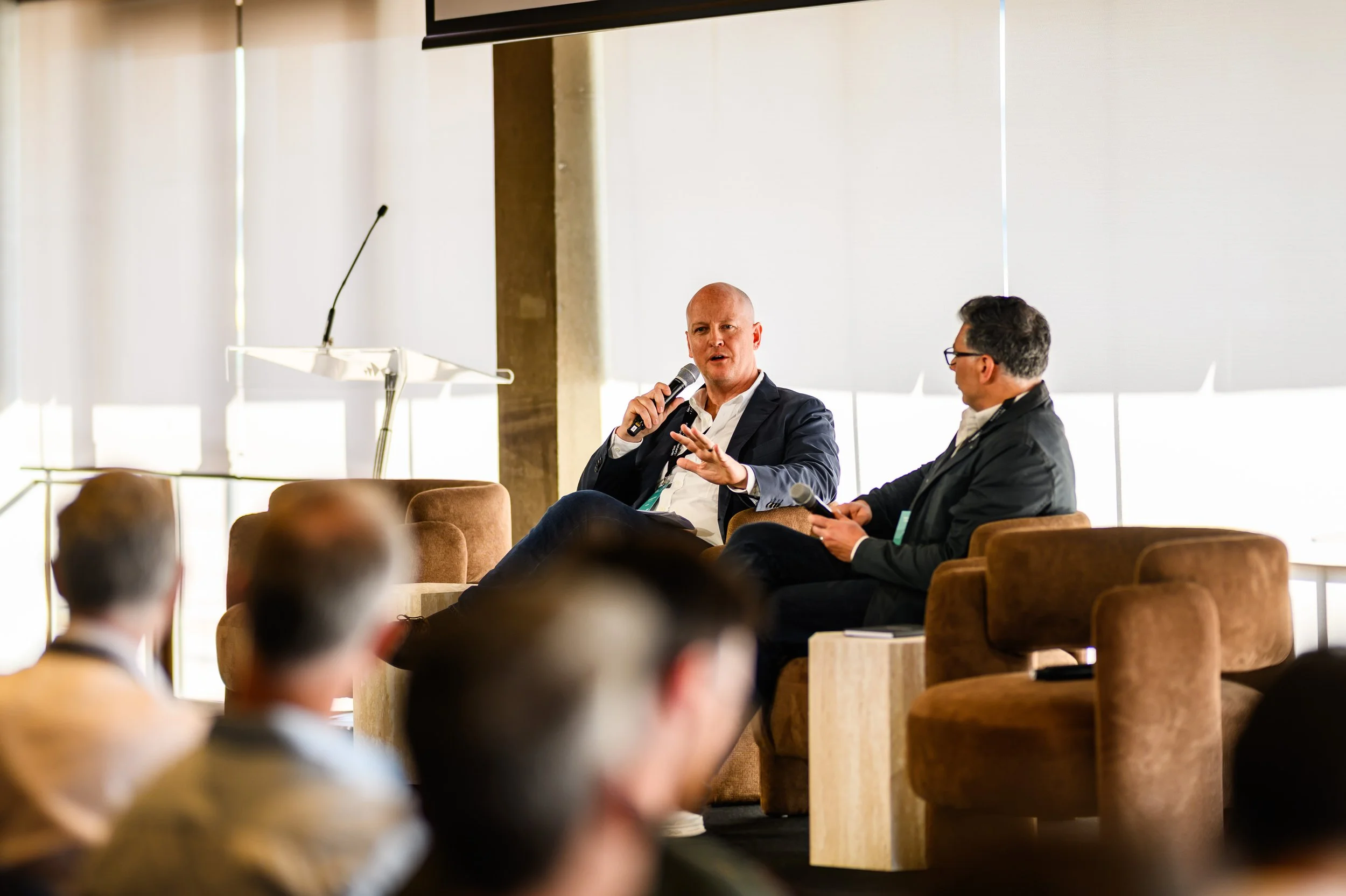
Paul made an observation that stuck with the room: "There's one common factor across the companies that continued to grow: the regeneration of their leadership team." Regeneration isn't the same as replacement. It's a board and leadership team deliberately evolving as the company changes: new skills added, roles redefined, and the founder grown into the job rather than out of it.
That only works if everyone in the room agrees on what they're protecting, and Daniel Weiss summed up this intention succinctly: "If you set that culture from the beginning - that the true north is the success and flourishing of the business, not the individual and their role in it - then hopefully you can walk forward in lockstep."
What founders should focus on at the board level
Treat the board as a resource, not an audience. Ensure you bring the hard problems into the room, and early. If every meeting ends up being a pitch, it makes it incredibly hard to help you.
Rehearse the downturn while times are good. Run the "what if" cases with your board now, while they cost nothing. This also sends a good signal to your board that you are prepared for all scenarios.
Learn to ask for what you need. Be clear about the support you want, push for it, and be ready to hear the feedback that comes back.
Grow into the job, not out of it. The role at Series B isn't the same role at seed. Plan for your own evolution, and for the curation of the leadership team around you.
Widen your circle of advice. Surround yourself with good advisors, not just good customers, staff and directors. Offshore especially, you need people who understand the sector, the right terms, and what team and co-founder expectations look like at scale.
IN SUMMARY: Why we created a startup board conference for Australian founders, and our next topic: ‘The Boards That Scale You.’
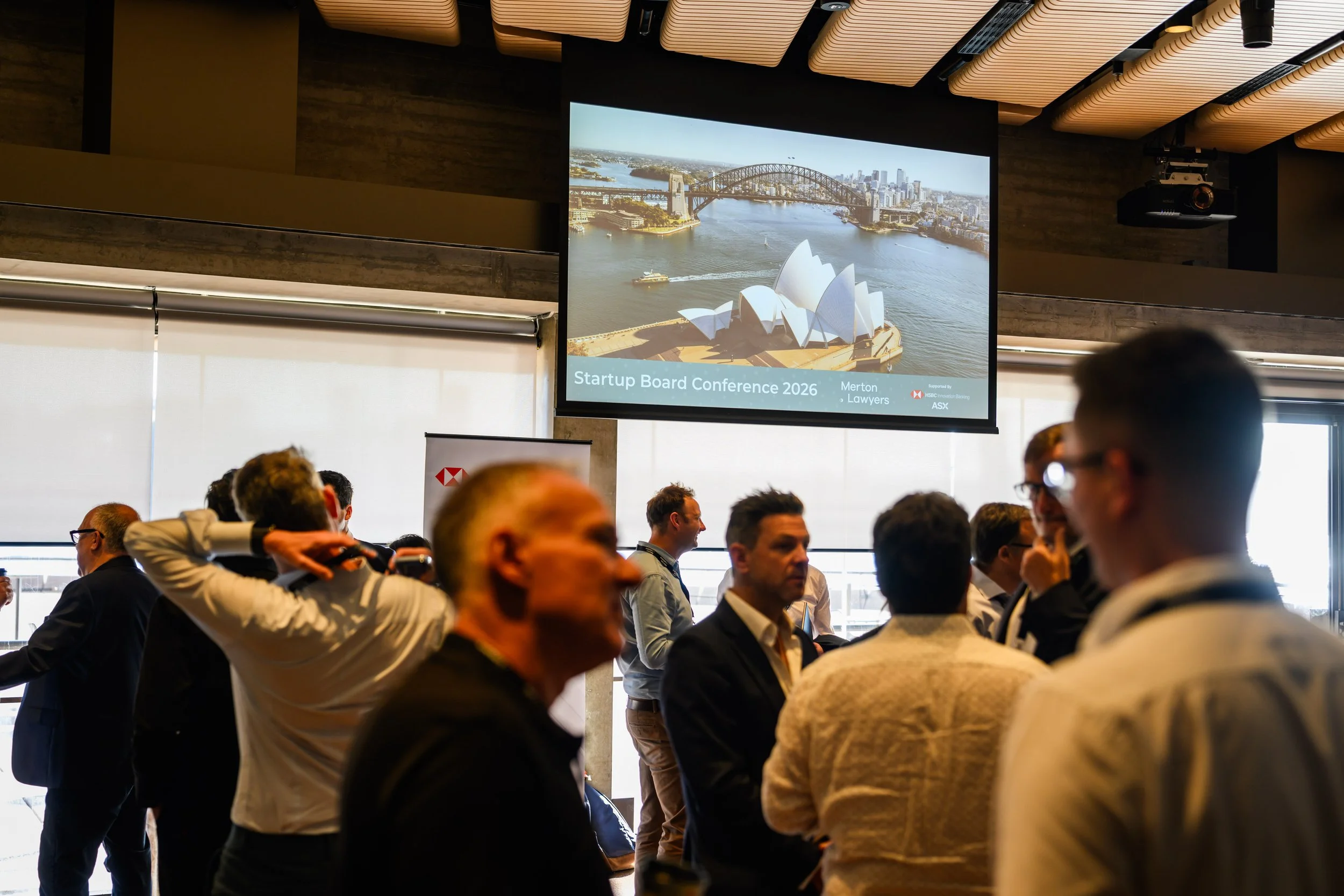
To provide just a bit of context in this article (the first of a short series), here is an insight into curating the program at our Startup Board Conference, which has been the result of years of bridge-building work with leading US law firms, via our Project Frontier.
Project Frontier was established in 2021 after our multi-year research with Australian and American venture capitalists, limited partners, and government bodies, to understand those critical barriers facing Australian companies seeking successful US expansion.
The findings were extremely clear to us: access to top-tier US legal counsel is a requirement to successfully scale internationally, but often challenging without established networks.
So that is the formative work that we do: Connect scaling companies with these top-tier US law firms forming the legal backbone of Silicon Valley's venture ecosystem.
Building on that momentum, our next major initiative - Project Odyssey - specifically focused on strengthening the capabilities of venture capital (VC) investors and the founders they back.
Since 2023, we've undertaken extensive interviews with Australian and US Venture Capitalists. These discussions explored pain points experienced by investors and portfolio companies. Of those many pain points, we decided to focus the solution on governance challenges, board dynamics, and how boards can be better leveraged to drive growth and value creation.
The Startup Board Conference ended up being a key outcome from Project Odyssey, and here we are today.
Even with all the massive complexities that go into scaling a company as a founder, there are some simple recommendations to keep in your mind as a founder, and return to them often:
Markets will turn. They always do. The founders who push through will be the ones who did the work on themselves before they had to, and who let their boards help. It all comes down to collaboration.
Featured: DANIEL G. WEISS (Cofounder & Managing Partner, Angeleno Group, Los Angeles), PAUL NAPHTALI (Cofounder & Managing Partner, Rampersand, Melbourne), SHANNON MARSHALL (Executive Director & Senior Client Advisor, J.P. Morgan Private Bank, and Board Member, American Australian Association, New York). Moderated by ANTHONY CURTIN (Cofounder, Merton Lawyers, Melbourne)
*This article “The CEO You Have To Become” is Part 1 of an 8-part series of insights from the sessions at the 2026 Merton Lawyers Startup Board Conference, and further insights from our work building extensive venture legal networks in Silicon Valley, New York and Los Angeles for years now. Part 2 will be released next: “Boards That Scale You.”
**The next Startup Board Conference (also to be held at the Sydney Opera House) will be announced in February 2027.
Thank you once again,
Anthony Curtin, Cofounder Merton Lawyers.
Book a call with me HERE
Follow me on LinkedIn HERE